

Hardscaping projects in Atlanta require more planning than many homeowners expect because of Georgia’s clay-heavy soil, drainage challenges, humidity, and seasonal rainfall. Before installing patios, retaining walls, walkways, fire pits, or outdoor kitchens, homeowners should evaluate grading, drainage, permitting, material durability, HOA rules, and long-term maintenance. Working with an experienced landscaping contractor like Whitwell Landscaping can help prevent costly drainage issues, premature cracking, and poor outdoor functionality.
Hardscaping can dramatically improve curb appeal, outdoor functionality, and property value. From paver patios and retaining walls to outdoor kitchens and fire features, well-designed hardscapes transform outdoor spaces into usable living areas year-round.
However, Atlanta homeowners face unique environmental and structural considerations that make planning especially important. The region’s expansive clay soil, heavy rainstorms, humidity, and sloped lots can create drainage and foundation problems if hardscaping is installed incorrectly.
Before starting your project, here’s what you should know to protect your investment and create a durable outdoor space built for Georgia’s climate.
Why Proper Hardscape Planning Matters in Atlanta
Unlike simple landscaping upgrades, hardscaping changes how water moves across your property. Improper installation can lead to:
- Water pooling near foundations
- Patio shifting or sinking
- Erosion around retaining walls
- Cracked pavers or concrete
- Drainage problems in neighboring properties
- Premature weed growth and moss buildup
Atlanta’s frequent rain events and dense clay soil make drainage planning one of the most critical parts of any outdoor construction project.
A professionally designed hardscape should improve both aesthetics and property performance.
Most Popular Hardscaping Projects in Atlanta
Atlanta homeowners are increasingly investing in outdoor living spaces that support entertaining, relaxation, and year-round usability.
Common Hardscape Features Include:
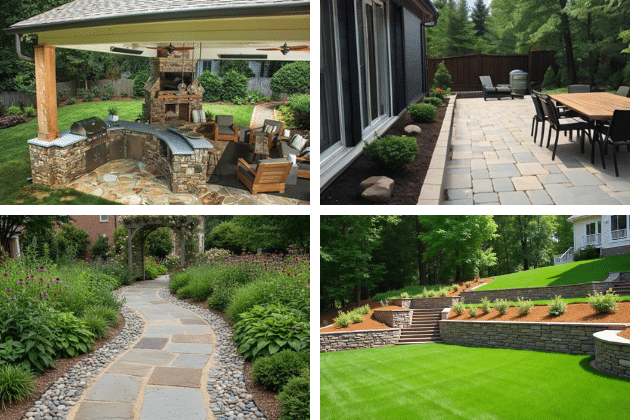
- Paver patios
- Retaining walls
- Walkways and garden paths
- Outdoor kitchens
- Fire pits and fireplaces
- Pool decks
- Pergolas and seating walls
- Driveway extensions
- Stone stairways
Many Atlanta-area properties also combine hardscaping with drainage correction and erosion control solutions due to sloped terrain.
Understand Atlanta’s Soil Conditions Before Installation
One of the biggest mistakes homeowners make is underestimating the impact of Georgia clay soil.
Why Clay Soil Creates Problems
Clay expands when wet and contracts during dry periods. Over time, this soil movement can cause:
- Paver settling
- Cracked concrete slabs
- Retaining wall pressure buildup
- Uneven walkways
- Foundation drainage issues
What Contractors Should Do Instead
A high-quality hardscaping contractor should:
- Excavate to the proper depth
- Install compacted gravel base layers
- Use geotextile fabric when necessary
- Ensure adequate drainage slopes
- Incorporate drainage systems behind retaining walls
Skipping these steps often leads to expensive repairs within just a few years.
Drainage Should Never Be an Afterthought
Drainage is arguably the most important factor in any Atlanta hardscaping project.
Signs Your Yard Already Has Drainage Problems
- Standing water after rain
- Soil erosion
- Muddy lawn sections
- Water near the foundation
- Basement moisture
- Washed-out mulch beds
Hardscaping Can Either Solve or Worsen These Problems
Adding impermeable surfaces changes how rainwater flows across your property. Without proper grading and drainage design, runoff can become concentrated in unwanted areas.
Professional hardscape plans may include:
- French drains
- Channel drains
- Dry creek beds
- Permeable pavers
- Retaining wall drainage systems
- Swales and grading corrections
Permeable Pavers Are Growing in Popularity
Many Atlanta homeowners are now choosing permeable pavers because they help reduce runoff while improving drainage performance. Unlike traditional concrete surfaces, permeable systems allow rainwater to filter through the joints into a stone base below.
This can help reduce puddling and improve long-term patio stability.
Choose Materials That Perform Well in Georgia’s Climate
Not all hardscape materials perform equally in Atlanta’s humidity and seasonal weather conditions.
Material Comparison Table
| Material | Pros | Cons | Best For |
| Concrete Pavers | Durable, repairable, flexible | Higher upfront cost | Patios, walkways |
| Natural Stone | Premium appearance | Requires sealing | Luxury outdoor spaces |
| Poured Concrete | Affordable | More prone to cracking | Driveways, large slabs |
| Brick | Classic Southern aesthetic | Can shift over time | Pathways, accents |
| Gravel | Budget-friendly, permeable | Requires maintenance | Garden paths |
Best Practice for Atlanta Homes
Concrete pavers are often preferred because they flex slightly with soil movement, making them more resistant to cracking than large concrete slabs.
Natural stone also performs well when properly installed and sealed.
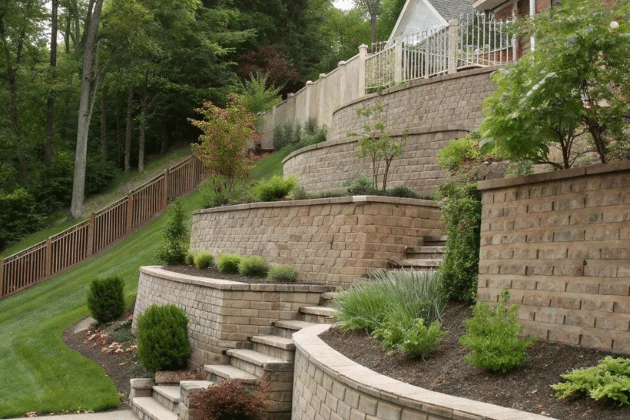
Retaining Walls Require Engineering Knowledge
Many Atlanta properties feature sloped yards that need retaining walls for usability and erosion control.
Retaining Wall Mistakes Are Common
Poorly built walls can:
- Lean outward
- Collapse over time
- Trap water behind the structure
- Damage nearby landscaping
Important Considerations
Before building a retaining wall, homeowners should verify:
- Local permitting requirements
- Property drainage patterns
- Wall height regulations
- Soil pressure calculations
- Reinforcement methods
In many cases, taller retaining walls require engineered designs.
HOA and Permit Requirements Can Delay Projects
Many Atlanta neighborhoods have HOA guidelines that regulate:
- Fence placement
- Patio expansions
- Outdoor kitchens
- Retaining wall height
- Material selections
Additionally, some municipalities may require permits for:
- Structural retaining walls
- Drainage modifications
- Electrical installations
- Gas lines for outdoor kitchens or fire pits
Failing to secure approvals can delay projects or result in fines.
Think About Long-Term Maintenance Before You Build
Some hardscape materials require more maintenance than others.
Maintenance Considerations Include:
- Sealing pavers or natural stone
- Weed prevention between joints
- Pressure washing
- Drainage cleaning
- Joint sand replacement
- Fire feature inspections
Homeowners should balance aesthetics with realistic maintenance expectations.
Smart Design Trend: Low-Maintenance Outdoor Living
Many Atlanta homeowners now prioritize:
- Permeable pavers
- LED landscape lighting
- Composite pergolas
- Native landscaping around hardscapes
- Automated drainage systems
These features help reduce ongoing upkeep while improving usability.
Budget Beyond the Installation Cost
Many homeowners only budget for the visible construction work.
Additional Costs to Consider
- Site grading
- Drainage systems
- Excavation
- Utility relocation
- Permits
- Lighting
- Irrigation adjustments
- Soil stabilization
A lower estimate may exclude critical structural work that prevents future problems.
The best contractors provide transparent proposals that explain both cosmetic and foundational components.
How Professional Design Improves ROI
Well-designed hardscaping can significantly improve property value and outdoor functionality.
Benefits of Professionally Installed Hardscapes
- Increased curb appeal
- Expanded outdoor living space
- Improved drainage performance
- Better entertaining areas
- Reduced erosion
- Higher resale value
- Lower long-term repair costs
In competitive Atlanta real estate markets, professionally designed outdoor spaces can become a major differentiator.
Why Atlanta Homeowners Choose Professional Hardscape Contractors
Experienced contractors understand regional challenges that generic installers may overlook.
A Professional Contractor Should:
- Analyze grading and drainage
- Recommend climate-appropriate materials
- Ensure proper excavation depth
- Install stable base systems
- Understand local permit requirements
- Design for long-term durability
Working with a trusted local company like Whitwell Landscaping helps homeowners avoid common installation mistakes while creating outdoor spaces built specifically for Atlanta’s conditions.
Ready to Start Your Hardscaping Project?
Whether you’re planning a paver patio, retaining wall, outdoor kitchen, or complete backyard transformation, proper planning is essential for long-term success.
Whitwell Landscaping specializes in professionally designed outdoor living spaces tailored to Atlanta’s terrain, drainage challenges, and climate conditions.
Schedule a Consultation to:
- Evaluate your property drainage
- Explore hardscape design ideas
- Compare material options
- Create a realistic project budget
- Build an outdoor space designed for durability and functionality
Frequently Asked Questions (FAQ)
How much does a hardscaping project cost in Atlanta?
Hardscaping costs vary based on materials, drainage needs, grading complexity, and project size, but most Atlanta homeowners invest between $5,000 and $50,000+.
Do I need a permit for a retaining wall in Atlanta?
Some retaining walls require permits, especially if they exceed certain height thresholds or affect drainage patterns.
What is the best patio material for Atlanta homes?
Concrete pavers are popular because they handle Georgia’s soil movement better than large poured concrete slabs.
How long does a hardscape installation take?
Most residential hardscaping projects take between one and four weeks depending on scope, weather, and permitting.
Can hardscaping improve drainage problems?
Yes, professionally designed hardscapes can improve drainage through grading corrections, permeable surfaces, and integrated drainage systems.