

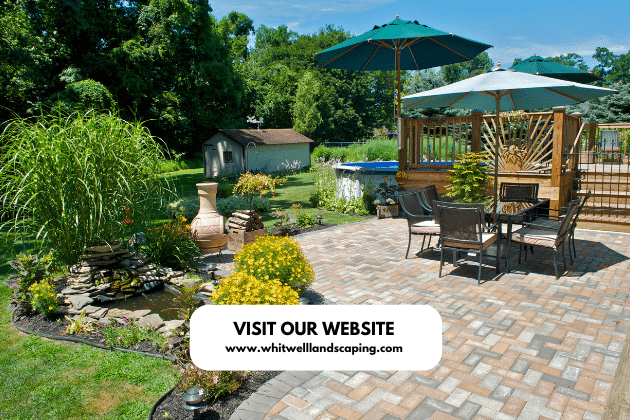
Stone patios and paver installations are among the most durable, low-maintenance, and value-adding upgrades for Atlanta backyards. Designed to handle Georgia’s clay soil, heavy rain, and heat, professionally installed patios improve outdoor living, boost property value, and provide long-term structural stability when built with proper base preparation and drainage.
Stone patios and paver installations create durable, weather-resistant outdoor living spaces ideal for Atlanta backyards. When properly installed with a reinforced base and drainage system, they resist shifting, manage runoff, enhance usability, and significantly increase curb appeal and long-term property value in Georgia’s challenging soil conditions.
Why Stone Patios and Pavers Are Ideal for Atlanta Backyards
Atlanta’s climate presents unique challenges for outdoor hardscaping. High humidity, frequent rainstorms, temperature fluctuations, and expansive clay soil require materials and installation methods that prioritize structural integrity and water management.
Stone patios and concrete pavers outperform poured concrete and wood decks by offering:
- Superior drainage and permeability
- Resistance to cracking and soil movement
- Design flexibility for sloped or uneven yards
- Lower lifetime maintenance costs
When installed correctly, these systems adapt to ground movement rather than failing against it.
Understanding Atlanta Soil and Drainage Requirements
Clay Soil Considerations
Atlanta’s red clay expands when wet and contracts when dry. This movement causes:
- Cracking in rigid concrete slabs
- Shifting of poorly compacted surfaces
- Water pooling near foundations
Segmented paver systems outperform monolithic surfaces by allowing controlled movement without structural failure.
Rainfall and Runoff Management
A professionally designed stone patio includes:
- Compacted aggregate base layers
- Geotextile fabric for soil stabilization
- Graded slopes directing water away from structures
- Optional permeable paver systems for groundwater recharge
These features protect both the patio and surrounding landscaping.
Types of Stone Patios and Paver Systems
Natural Stone Patios
Natural stone offers unmatched aesthetics and longevity.
Popular options for Atlanta backyards include:
- Flagstone – Slip-resistant, organic appearance
- Bluestone – Dense, uniform, and weather-resistant
- Travertine – Cool underfoot, ideal for pool areas
- Granite – Extremely durable and regionally sourced
Each stone varies in porosity, thickness, and installation method, requiring expert selection.
Concrete Paver Installations
Manufactured pavers provide precision, strength, and consistency.
Key advantages:
- Engineered load-bearing capacity
- Uniform sizing for tight joints
- Wide color and pattern selection
- Easier repairs compared to slabs
Pavers are ideal for patios, walkways, fire pit areas, and outdoor kitchens.
Designing Functional Outdoor Living Spaces
A stone patio is most effective when designed as a multi-functional outdoor environment, not just a surface.
Common Design Integrations
- Seating walls and retaining features
- Fire pits or fireplaces
- Outdoor kitchens and grills
- Pergolas and shade structures
- Integrated landscape lighting
Thoughtful layout ensures traffic flow, zoning, and long-term usability.
Stone Patios vs. Other Backyard Surfaces
| Feature | Stone Patio / Pavers | Poured Concrete | Wood Deck |
| Durability | High (30–50+ years) | Moderate | Low–Moderate |
| Soil Movement Resistance | Excellent | Poor | Moderate |
| Drainage | Excellent | Poor | Moderate |
| Maintenance | Low | Moderate | High |
| Repairability | Individual units | Full replacement | Board replacement |
| Aesthetic Longevity | Timeless | Prone to cracking | Weathering |
Installation Process: What Separates Professional Work
Critical Installation Steps
- Site evaluation and soil analysis
- Excavation to proper depth
- Base layering with crushed stone
- Mechanical compaction
- Precision grading for drainage
- Edge restraints and joint stabilization
Skipping or shortening any step leads to settling, pooling, and premature failure.
Maintenance and Longevity
Properly installed stone patios require minimal upkeep:
- Occasional sweeping and rinsing
- Joint sand replenishment every few years
- Sealing optional for color enhancement and stain resistance
Compared to wood or concrete, lifecycle maintenance costs are significantly lower.
Property Value and ROI in Metro Atlanta
Hardscaping consistently ranks among the highest-ROI landscape improvements.
Benefits include:
- Increased usable square footage
- Higher buyer appeal in competitive neighborhoods
- Improved drainage around foundations
- Long-term structural performance
In Atlanta’s real estate market, outdoor living spaces often influence buyer decisions.
Frequently Asked Questions (FAQ)
Are pavers better than concrete for Atlanta soil?
Yes, pavers accommodate soil movement and reduce cracking caused by expansive clay.
Do stone patios require drainage systems?
Yes, proper grading and base drainage are essential to prevent water accumulation.
How long do professionally installed pavers last?
With proper installation, paver systems often last 30–50 years or longer.
Can stone patios be installed on sloped yards?
Yes, segmented systems and retaining features allow safe installation on slopes.
Are permeable pavers effective in heavy rain?
Yes, they reduce runoff and help manage stormwater naturally.
Transform Your Backyard with Expert Craftsmanship
Ready to elevate your outdoor space with a beautifully designed stone patio or professionally installed paver system? Whitwell Landscaping brings expert design, precision installation, and long-lasting results tailored to Atlanta’s soil and climate. Schedule your consultation today and let our team create an outdoor living space that adds value, function, and timeless appeal to your home.